10 hr 30 min
Blue Cave & 5 Islands Speedboat Adventure from Split
Explore Croatia's stunning Adriatic islands on a full-day speedboat journey with swimming stops and cave visits
Reserve
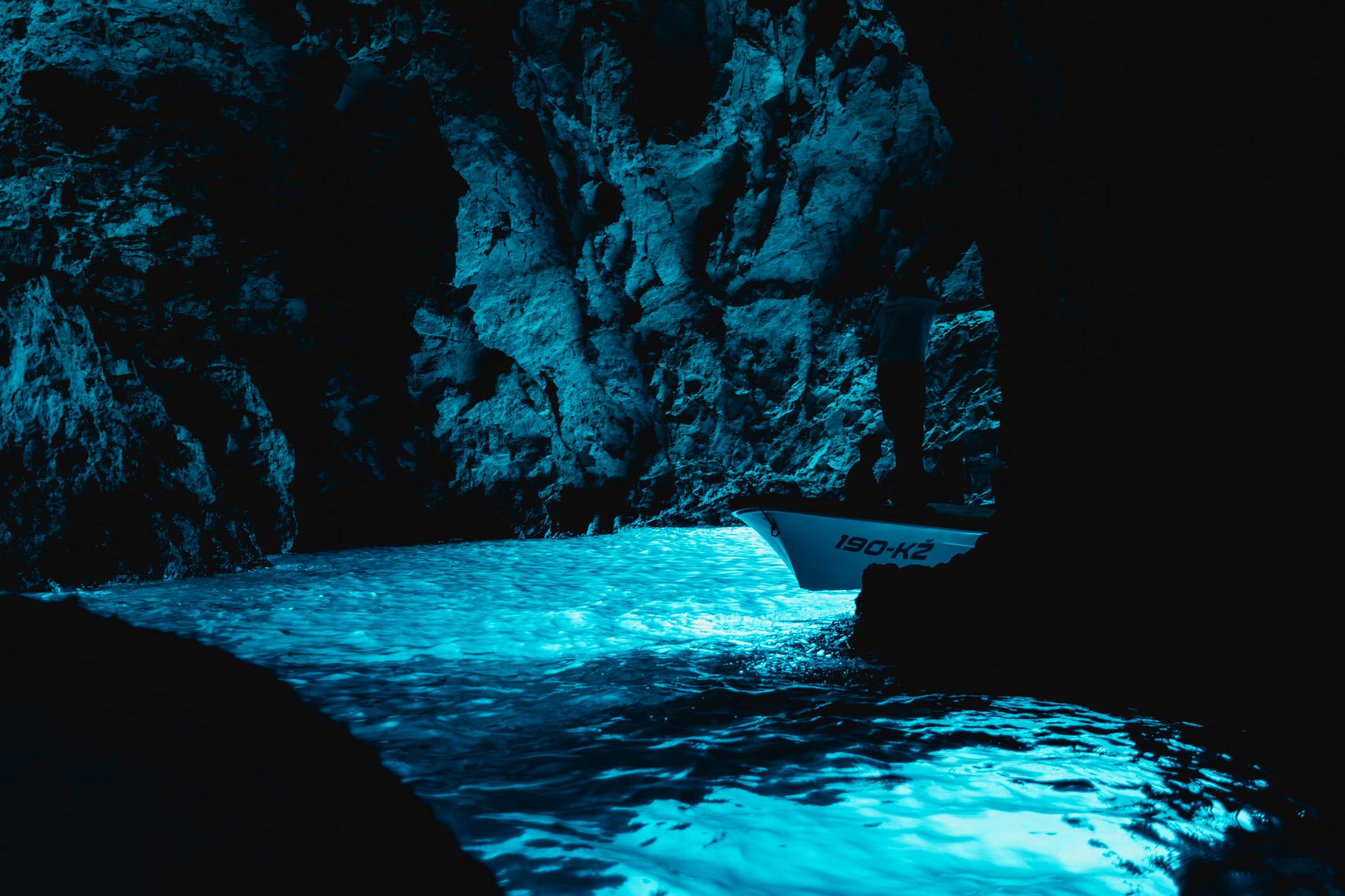
Where sunlight refracts through limestone, painting the Adriatic silver-blue
Hand-picked by our editors — only the best 12 experiences from 47 reviewed.
Verified partners for Blue Cave tours, free cancellation where available, and instant confirmation on every booking.
10 hr 30 min
Explore Croatia's stunning Adriatic islands on a full-day speedboat journey with swimming stops and cave visits
Reserve
10 hr 30 min
Discover Croatia's island gems on a full-day speedboat journey with cave exploration and beach stops
Reserve
11 hr
Explore Croatia's stunning Dalmatian coast on a full-day speedboat journey to five breathtaking islands
ReservePrices from verified partners. Availability updates in real time at checkout. Free cancellation policies apply where shown.
Blue Cave tours depart from multiple cities — pick the one closest to where you're staying.
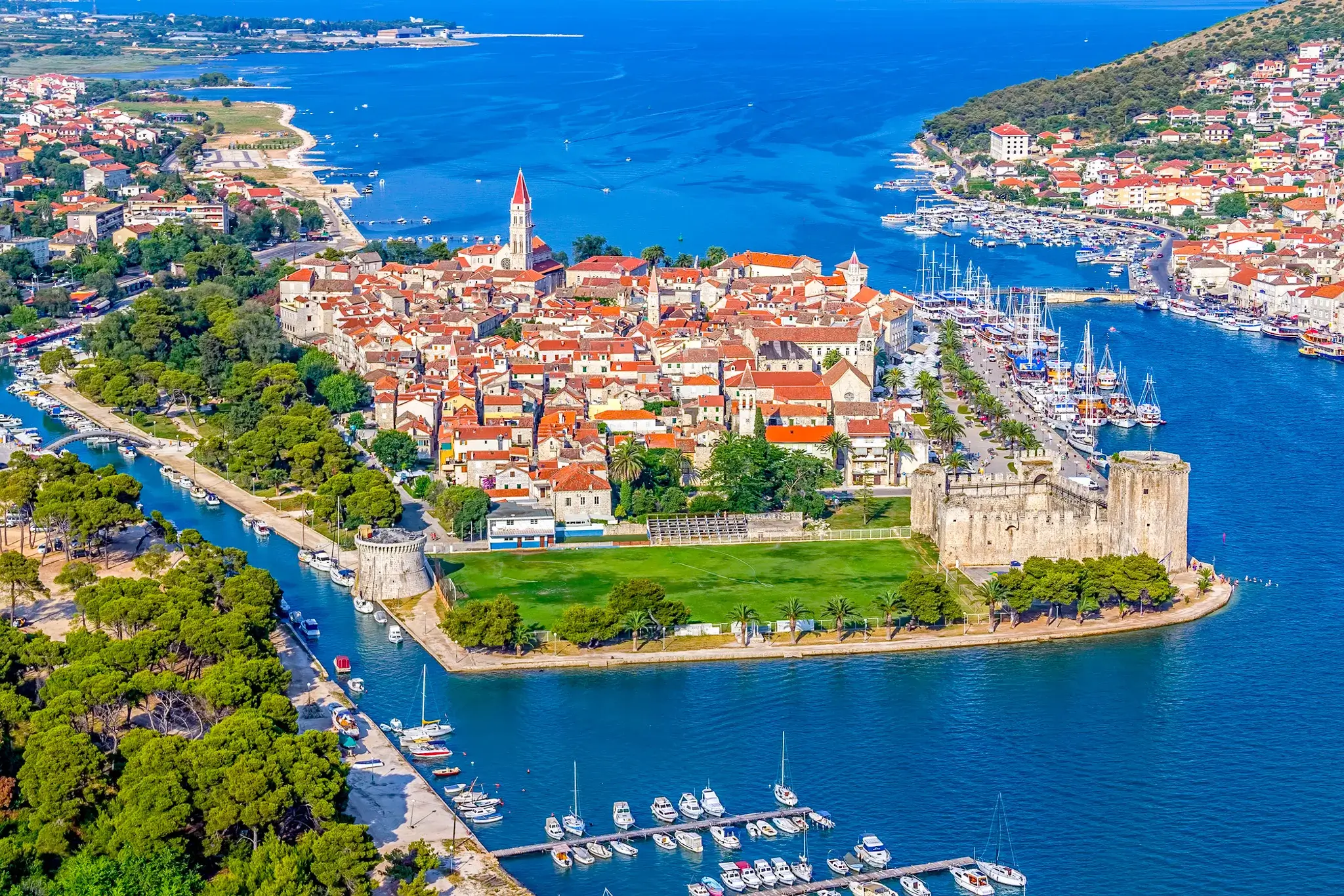
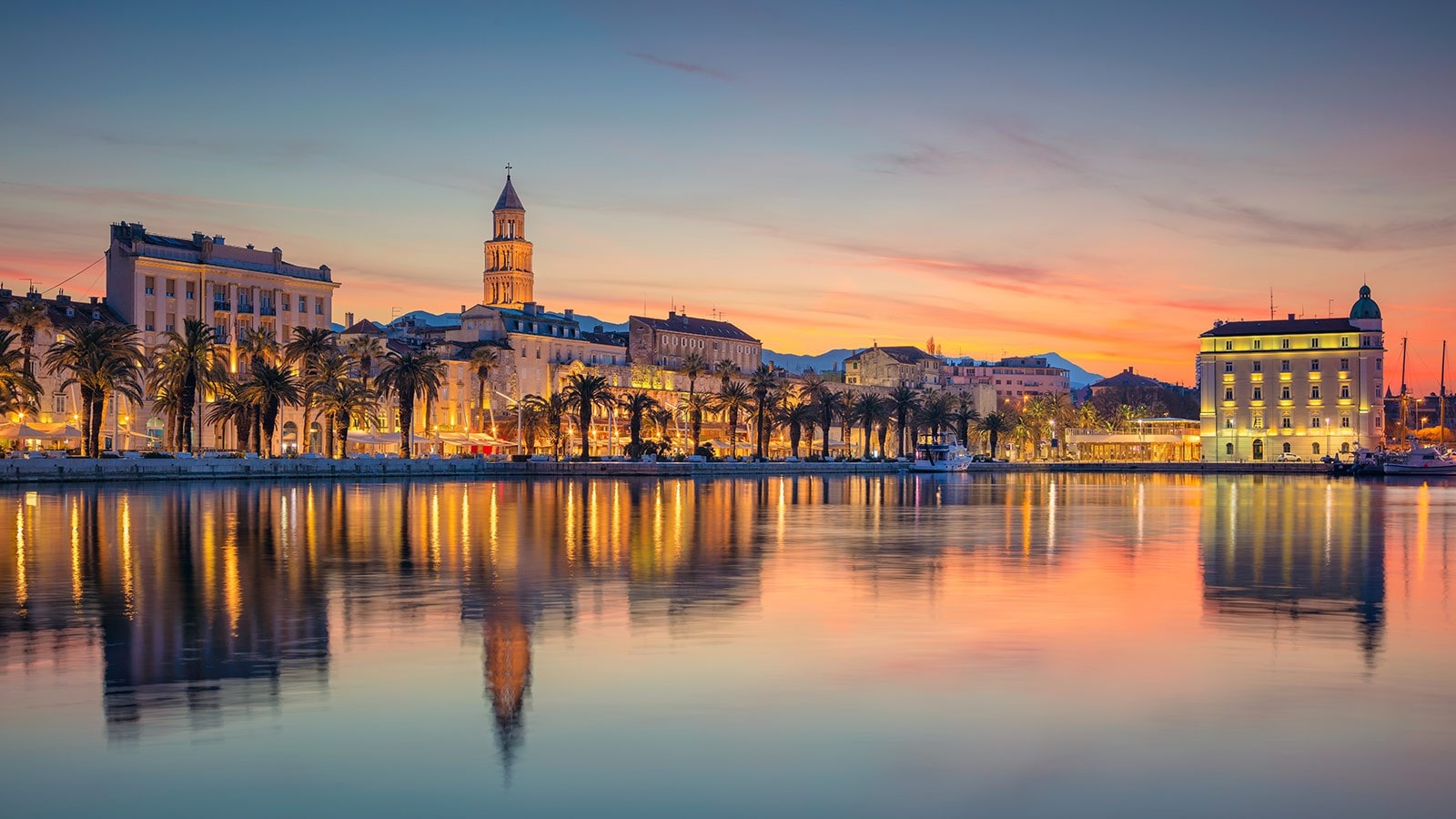
Tours departing from Split include round-trip transfers in an air-conditioned vehicle, bilingual guides, and the option of pickup from a common meeting point or directly from your hotel.
Tours departing from Split or Trogir include round-trip transfers in an air-conditioned vehicle, bilingual guides, and the option of pickup from a common meeting point or directly from your hotel.
Every Blue Cave tour side-by-side — duration, what's included, how you redeem.
| Experience | From | Duration | Rating | Skip-the-line | Guide | Small group | Price | |
|---|---|---|---|---|---|---|---|---|
|
Guided Experience Most popular
Blue Cave & 5 Islands Speedboat Adventure from Split
|
Split | 10 hr 30 min | ★ 5.0 | ✓ | ✓ | ✓ | €79 | Book → |
|
Guided Experience
Blue Cave & 5 Islands Speedboat Adventure from Split
|
Split | 10 hr 30 min | ★ 4.9 | ✓ | ✓ | ✓ | €79 | Book → |
|
Guided Experience
Blue Cave & 5 Islands Speedboat Adventure from Split or Trogir
|
Split or Trogir | 11 hr | ★ 4.6 | ✓ | ✓ | ✓ | €110 | Book → |
All prices from verified partners. Availability and exact terms confirmed at checkout.
They complement each other, yet most visitors who do both find the Blue Cave offers a more intense visual impact while the Green Cave provides a superior environment for those wanting to swim. As you evaluate your blue cave tours, consider that the former focuses on unique refraction while the latter allows for a more active exploration of the coastline.
| Feature | Top pick Blue Cave | Green Cave |
|---|---|---|
Core Experience |
Subterranean blue light refraction | Large sea cave with emerald hues |
Swimming Availability |
Prohibited inside the cave | Permitted within the cavern |
Entrance Fee |
24 EUR (summer) | Approximately 10–15 EUR (summer) |
Light Phenomenon |
Intense silver-blue glow | Sunlight filtering through roof cracks |
Crowd Levels |
Very high during peak hours | Generally lower throughout the day |
Boat Accessibility |
Small vessels only | Small and medium-sized boats |
| See tickets → |
Verdict: Opt for the Blue Cave if your blue cave tours tour objective is witnessing the rare light phenomenon, or choose the Green Cave if you prioritize securing your blue cave tours tickets for a more flexible, swim-friendly outing.
Choose your ticket, select your date, and reserve in under two minutes. Secure checkout handled by our verified partner.
Instant confirmation by email, with a mobile voucher you can save offline. No printing, no queuing at a collection desk.
Arrive at the entrance, show your voucher on your phone, and walk in. Most tickets include priority or skip-the-line access.
Practical details for Blue Cave tickets straight from our verified partners — hours, access, rules, and how to get there.
Split Harbor
Look for tour operator signs
Open in Google MapsTours depart from Split, Hvar, or Komiža.
Casual summer wear is appropriate, but be prepared for cooler temperatures inside the cavern. Rubber-soled footwear is recommended for safety when boarding the small transfer vessels used for Blue Cave tours.
Space is extremely limited on the transfer boats; only small personal bags are permitted. Security personnel manage the queue at Mežuporat and enforce safety protocols for the narrow entrance.
Handheld photography is allowed, but the narrow boat passage and low light require fast shutter speeds or high ISO settings for quality images. Tripods are generally prohibited on the small transfer vessels.
Transportation is provided by electric vehicle from the port of Mežuporat to the visitor center for those with reduced mobility. The visitor center itself is adapted for accessibility.
Mobile phones are permitted for capturing the Blue Cave phenomenon, though signal can be unreliable on the open water. Keep them secure during the boat transfer to avoid accidental drops.
Children are welcome on Blue Cave tours, but they must be able to sit quietly in a small boat. Note that the entrance is narrow, and children must be supervised at all times.
There are no dining facilities inside the cave or at the immediate boarding area in Mežuporat. Carry sufficient water and snacks, as the island of Biševo is car-free and lacks retail shops.
Pets are generally not permitted on the small transfer boats for safety reasons. Please confirm with your private boat tour operator regarding their specific animal policy.
The Blue Cave entrance fee is 24 EUR per adult in high season, payable in cash at the site. This fee supports conservation efforts for the Blue Cave and covers the mandatory local boat transfer.
Best time to go, insider tips, nearby landmarks, and the cancellation fine print — flip through to skim what matters to you.
How crowds, weather, and events shift across the year.
Mild weather and shorter queues for Blue Cave tours.
Small details that turn a good visit into a great one.
Always carry 24 EUR in cash for the entrance fee as cards are not accepted at the cave kiosk.
Non-bookable sights within a short walk — free to visit, easy to pair.
A legendary sea cave once home to monk seals.
Flexible, no hidden fees.
Entrance fees are paid on-site and are non-refundable. Tours from third-party operators follow their own specific cancellation windows.
Hand-picked options within walking distance — pick a district for vibe, or a specific hotel for convenience.
Boutique hotels located in the main harbour town.
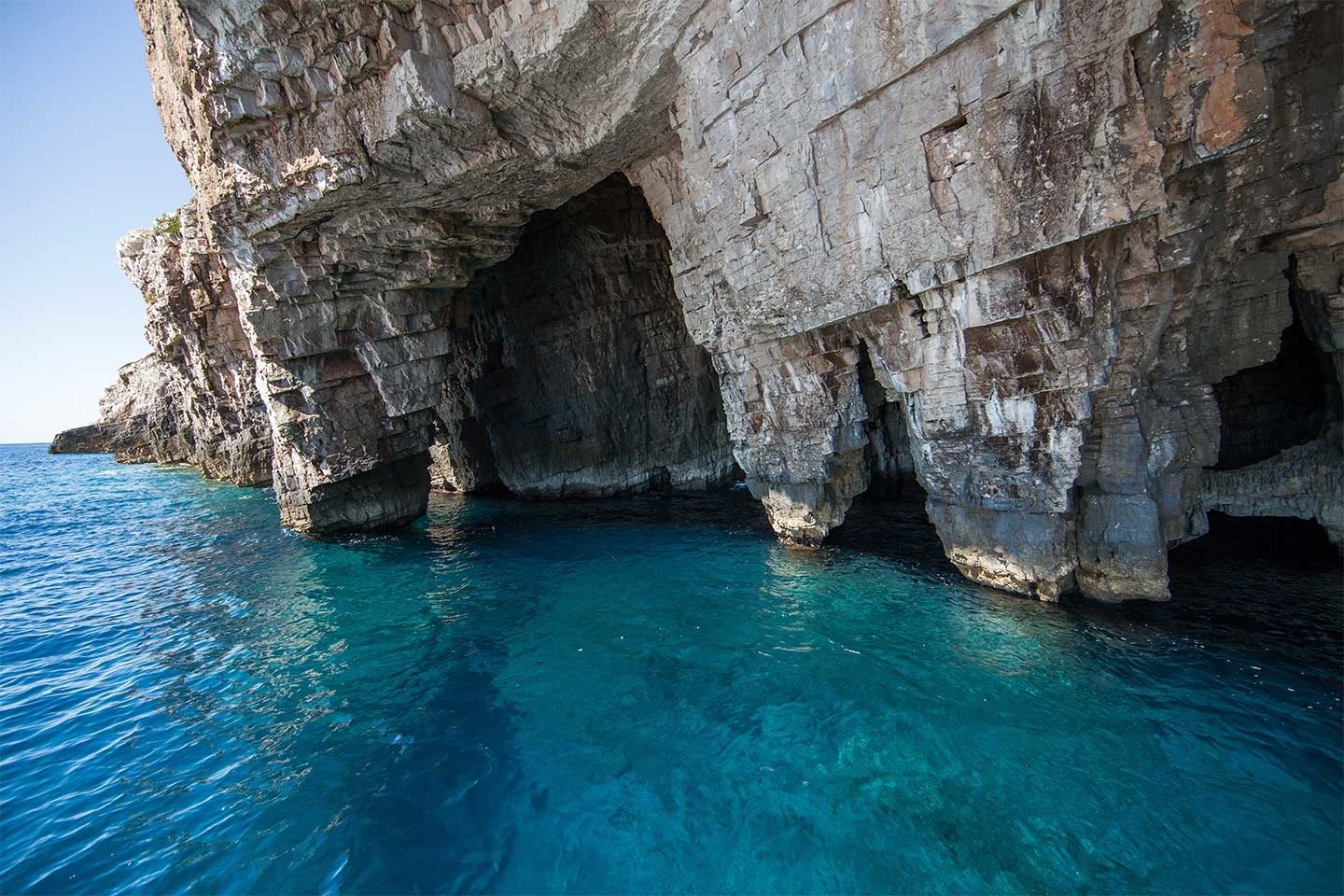
The Blue Cave on Biševo Island remained inaccessible to visitors until 1884, when a two-metre entrance was dynamited into the cliff face to supplement the natural submarine opening through which seawater floods the chamber.
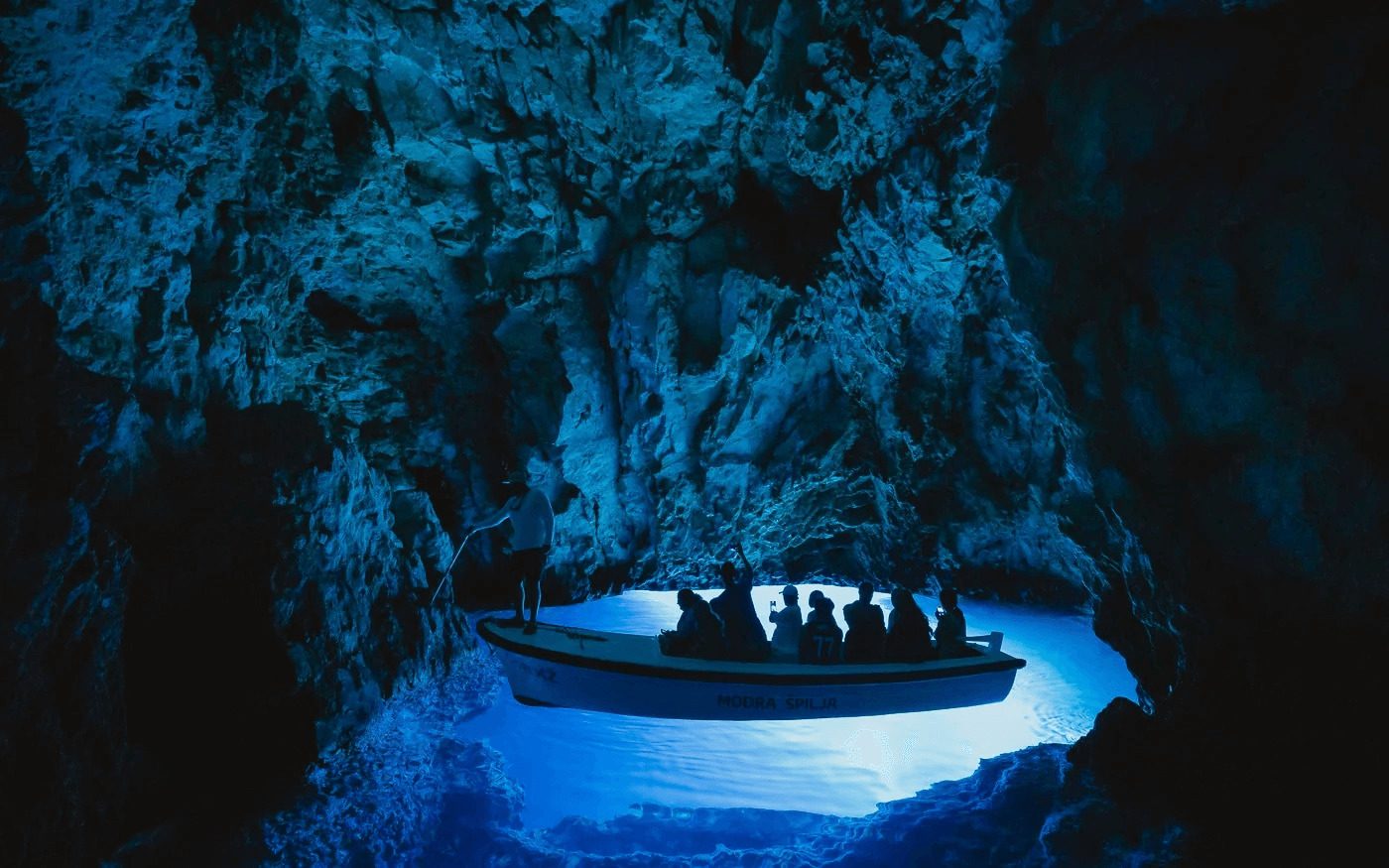
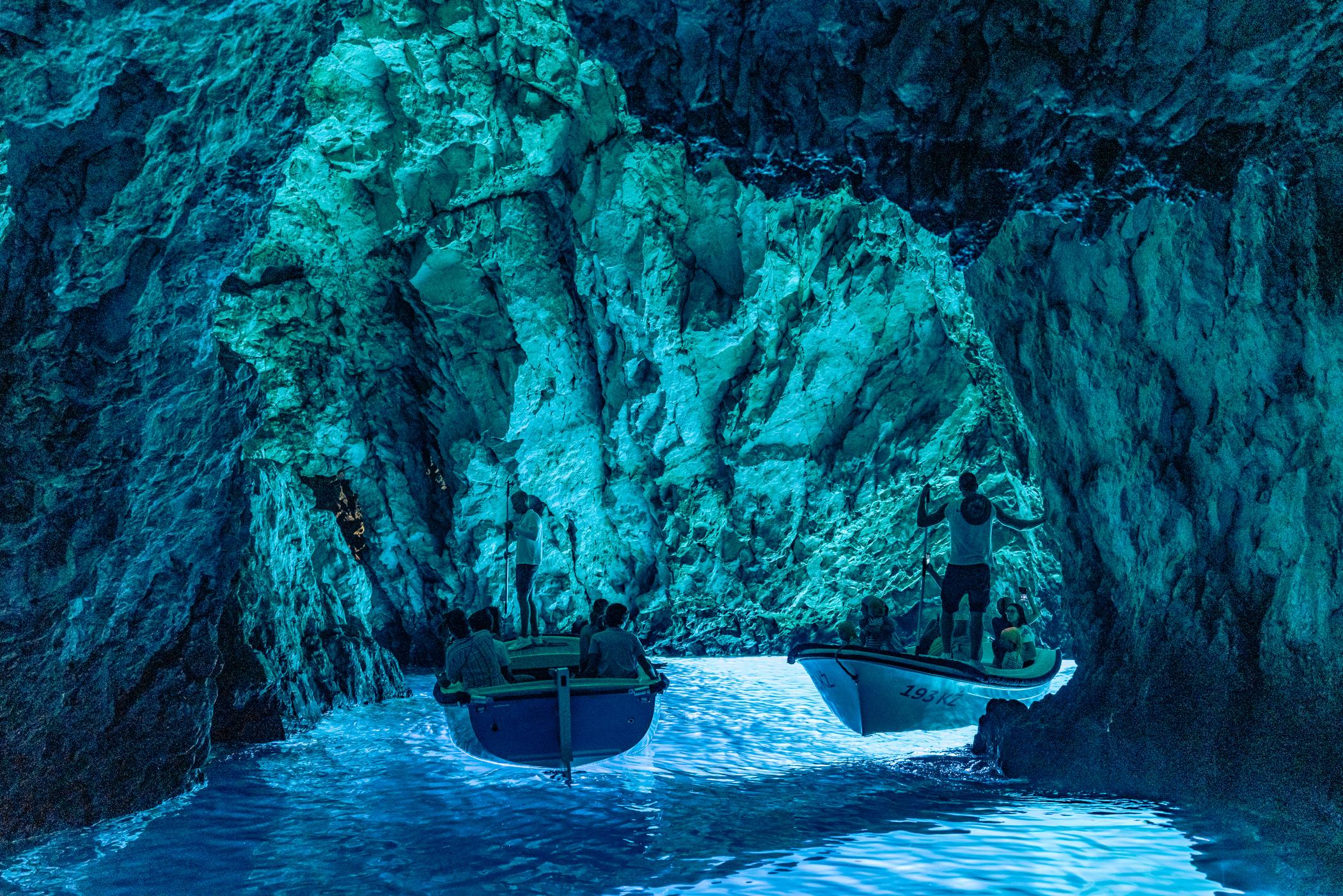
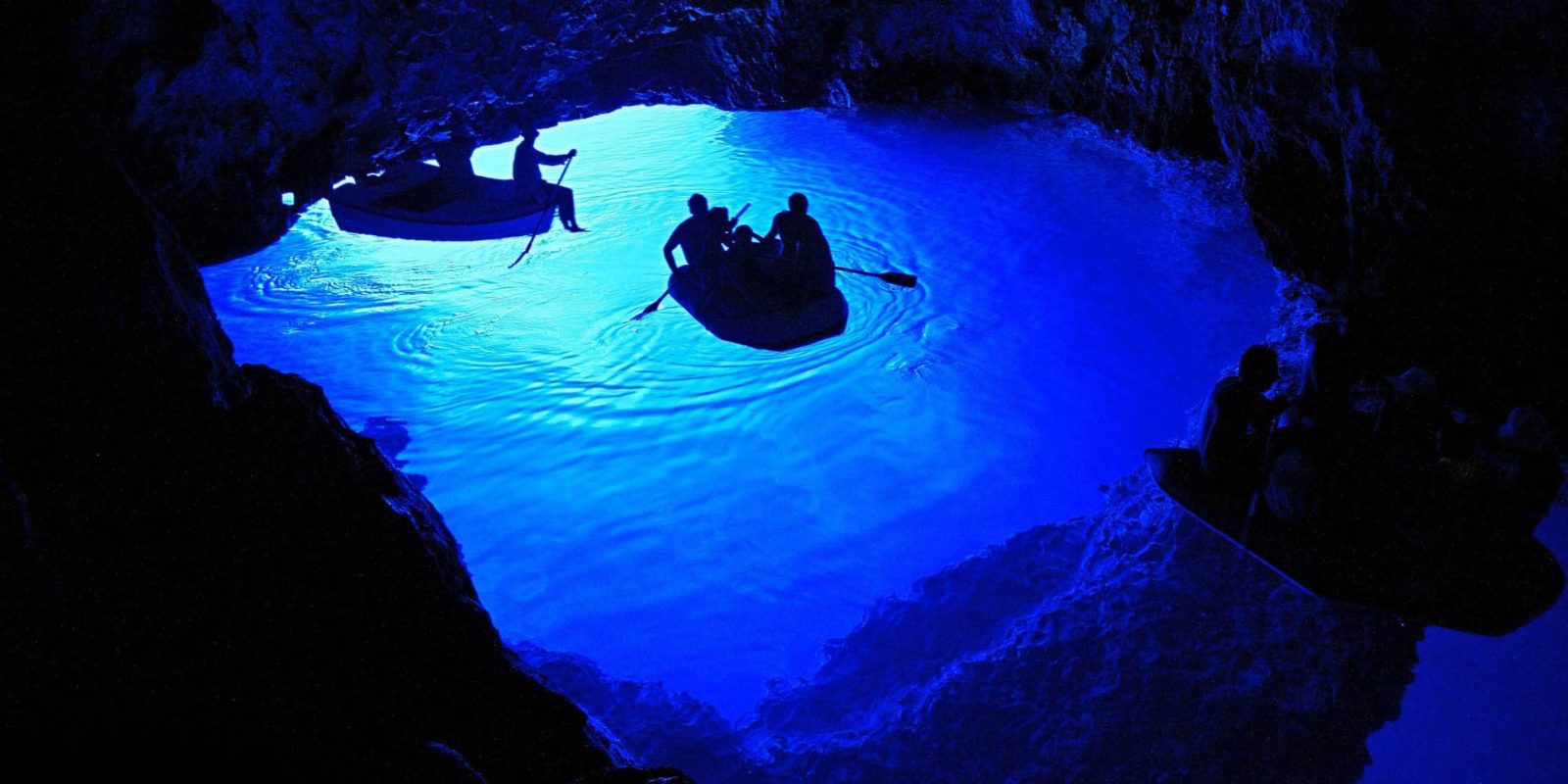
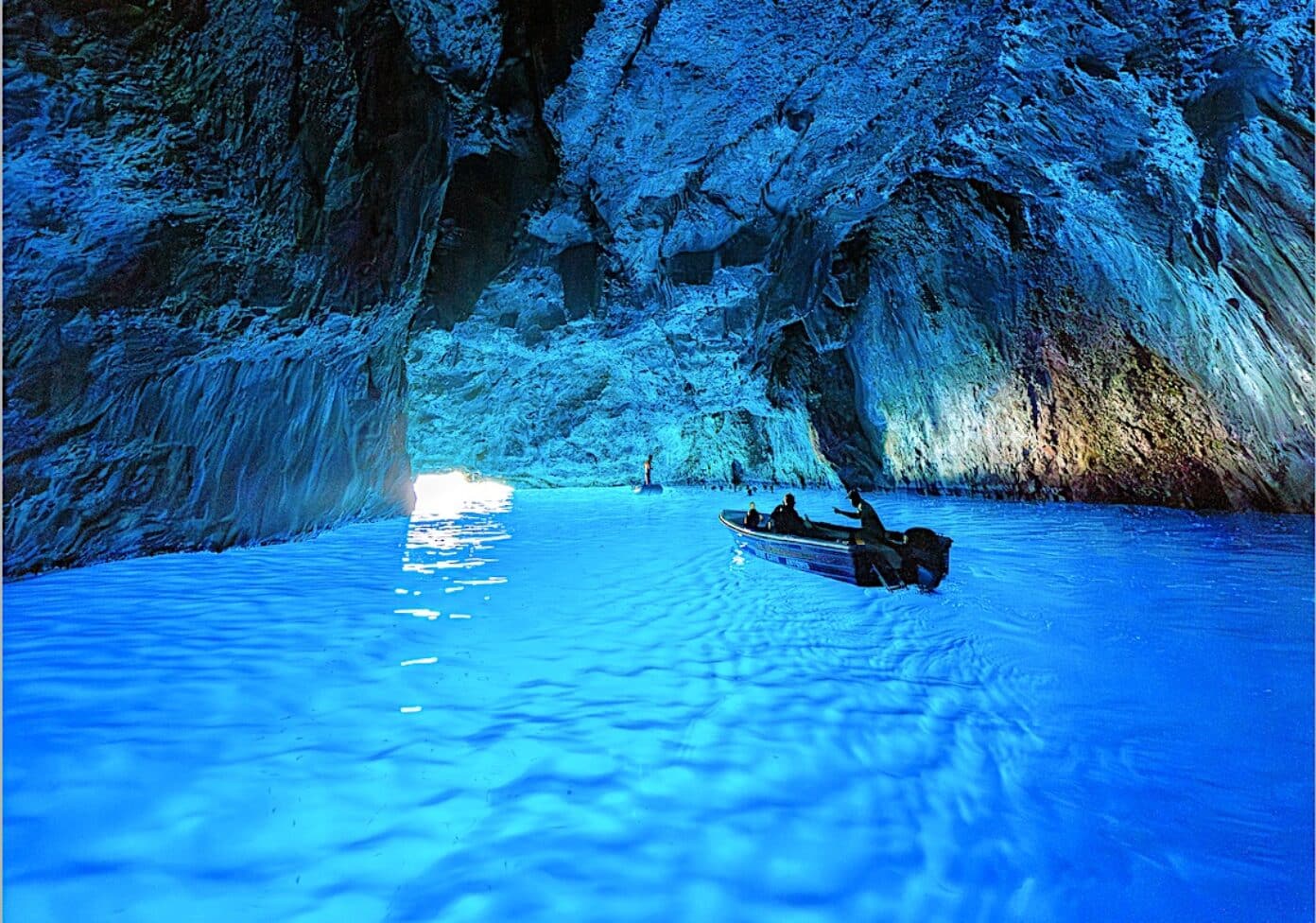
The intervention transformed a geological curiosity known only to local fishermen into one of the Adriatic's most visited natural phenomena. The cave extends twenty-four metres in length, its domed ceiling rising sixteen metres above the waterline at high tide. What distinguishes this particular sea cave from thousands along the Croatian coast is the angle at which morning sunlight penetrates the submerged entrance, refracting through ten to twelve metres of crystalline water before illuminating the limestone floor in a spectrum that shifts from cobalt to silver depending on the sun's elevation.
The optical effect depends entirely on timing and weather. Between late April and early September, the phenomenon reaches peak intensity when the sun's trajectory aligns with the cave's orientation, typically between nine and noon. Outside this window, the chamber remains dim, the water an unremarkable grey-green. This narrow daily window explains why blue cave tours from Split, Hvar, and Vis operate on rigid morning schedules, with operators coordinating departure times to ensure arrival during the luminous interval. The conservation fee of twenty-four euros, collected in cash at the site, funds maintenance of the artificial entrance and limits daily visitor numbers to preserve the cave's fragile ecosystem. Park authorities periodically close access during storms or when wave action renders the entrance hazardous.
Biševo itself lies sixteen kilometres southwest of Vis Island, the most remote inhabited island in the central Dalmatian archipelago. The limestone formation dates to the Cretaceous period, part of the same karst system that surfaces across the Dinaric Alps. Geologists attribute the cave's formation to millennia of wave erosion combined with chemical dissolution of calcium carbonate. The chamber's acoustics amplify the slap of water against stone, creating a resonance that early sailors interpreted as evidence of subterranean rivers. Modern research confirms the cave connects to an extensive network of submerged passages, though only the main chamber permits human entry.
Tourism to the Blue Cave accelerated after Croatia's independence, with daily visitor counts climbing from dozens in the 1990s to hundreds by the 2010s. Blue cave tours from Dubrovnik and Kotor, though requiring longer transit times, now represent a significant share of summer traffic. The site's popularity has prompted debates about capacity limits, with marine biologists noting stress on endemic algae species adapted to the cave's unique light conditions. Current regulations restrict boats to ten-minute interior visits, a compromise between access and preservation that shapes the visitor experience into a brief, tightly choreographed encounter with a landscape where geology and optics converge.

"The chamber's acoustics amplify the slap of water against stone, creating a resonance that early sailors interpreted as evidence of subterranean rivers."
A step-by-step walkthrough of Blue Cave tickets — what you'll see, how long each stage takes, and the details that matter.
You board a small speedboat at dawn, the Adriatic still calm before the afternoon winds pick up. The crossing from Split or Hvar takes between ninety minutes and two hours, depending on your departure port.
As Biševo's limestone cliffs emerge on the horizon, your skipper slows and radios ahead to confirm your turn in the entry queue. A half-dozen boats idle offshore, waiting for the previous group to exit.
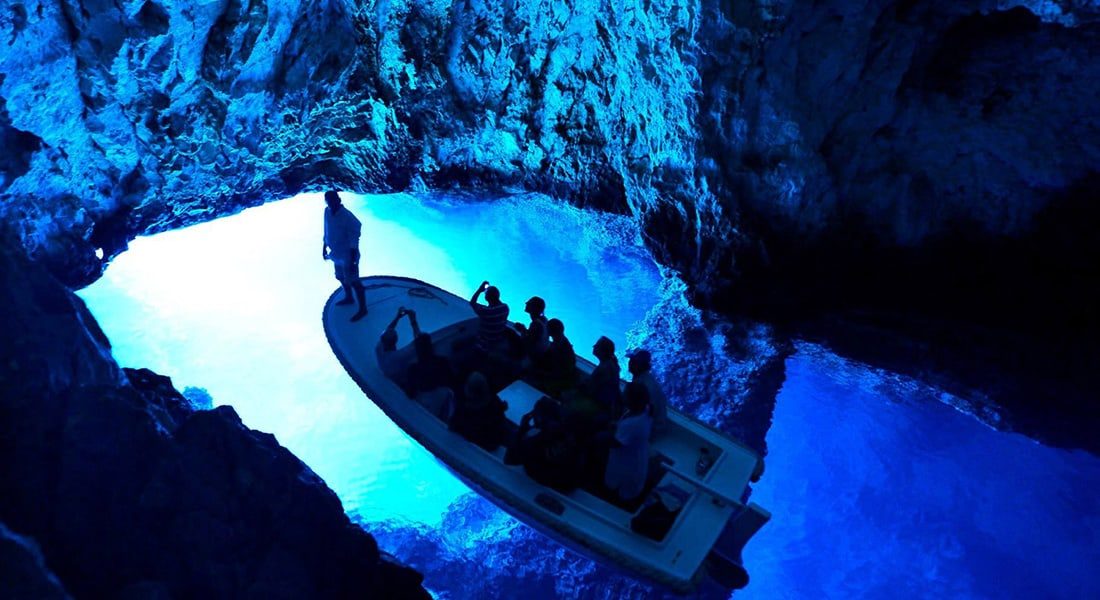
When your number is called, the boat noses toward a narrow cleft in the rock face. The pilot cuts the engine and grabs a chain bolted into the cave wall, pulling the vessel through the two-metre entrance. Inside, the temperature drops ten degrees. Your eyes adjust slowly. Within thirty seconds, the blue glow becomes visible—not overhead, but radiating upward from the seabed, as if the water itself were lit from below. The ceiling curves above you, slick with moisture, while the walls glow silver where the refracted light strikes limestone. The pilot rotates the boat slowly, giving each passenger an unobstructed view. No one speaks. The only sound is water lapping against the hull and the distant murmur of the next group waiting outside. After eight minutes, the pilot tugs the chain again, reversing out into blinding daylight. The entire encounter lasts less than ten minutes, but the retinal afterimage of that subaquatic light persists for hours.
The Blue Cave is open daily from 08:00 to 18:00.
Yes, the entrance fee is 24 EUR per adult in high season, paid in cash at the site.
While you can reach the island independently, you must use the official small boats at Mežuporat to enter the cave.
Yes, children are welcome on Blue Cave tours, but they must be comfortable sitting in small boats.
If conditions are unsafe, the cave will close; always check local reports before starting your Blue Cave tours.
Most visitors reach the cave via organized boat tours from Split, Hvar, or Komiža.
No, swimming inside the cave is strictly prohibited to protect the environment.
Bring cash for the fee, sunscreen, water, and your camera for Blue Cave tours.
There are no locker facilities; please carry only essential items on your Blue Cave tours.